Becoming Aram: The Formative Years of a Revolutionary Statesman (1879-1908)
19 March 2019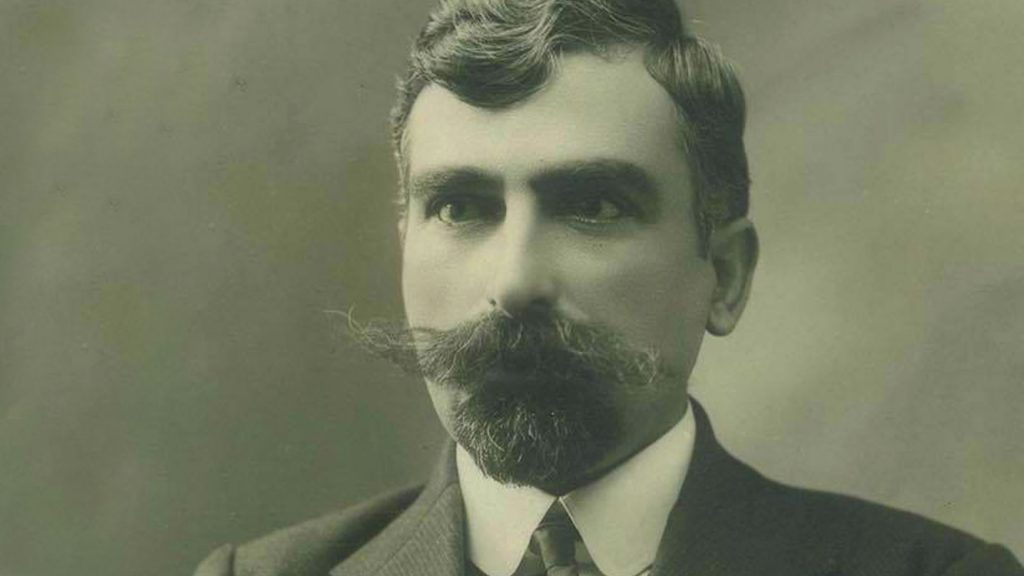
From the Armenian Weekly 2018 Magazine Dedicated to the Centennial of the First Republic of Armenia
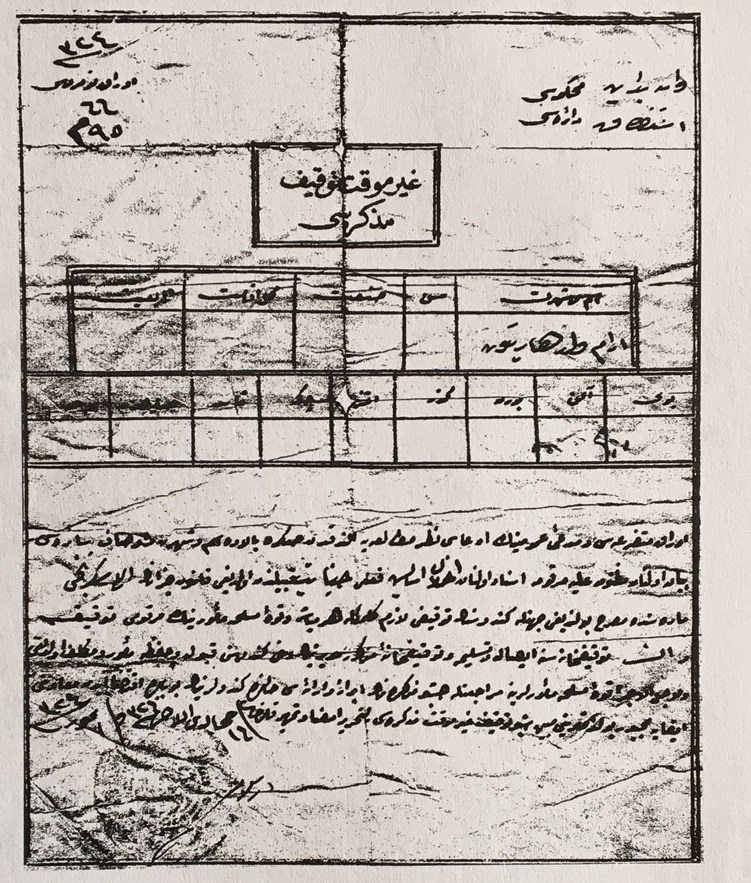
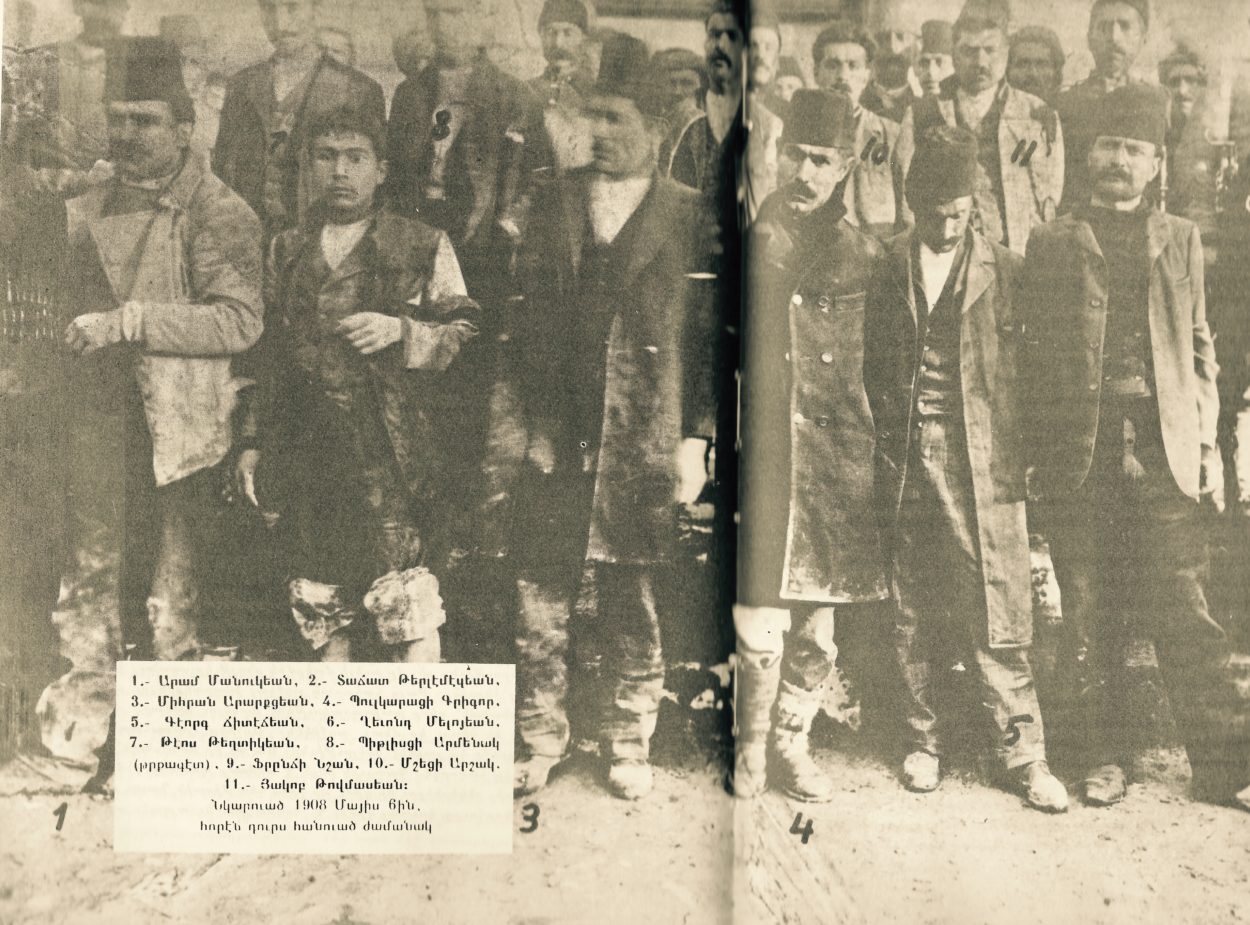
If you had told Aram Manoukian on March 6, 1908, that within a decade he would successfully lead the defense of Van against the Ottoman military, save tens of thousands of Armenians from imminent murder, become the temporary governor of Van after the withdrawal of the Turkish forces, and then emerge as the founder of the First Armenian Republic as Tsarist Russia faltered, he probably would have had a good laugh. After all, that day seemed to usher in the end of Aram’s life as a free man—if not his life altogether—as Turkish policemen and soldiers dragged him out of a 30-foot-deep well where he was hiding with fellow revolutionaries, and escorted the lot of them to the military commander’s residence, where they were interrogated, photographed, and sent to solitary confinement.
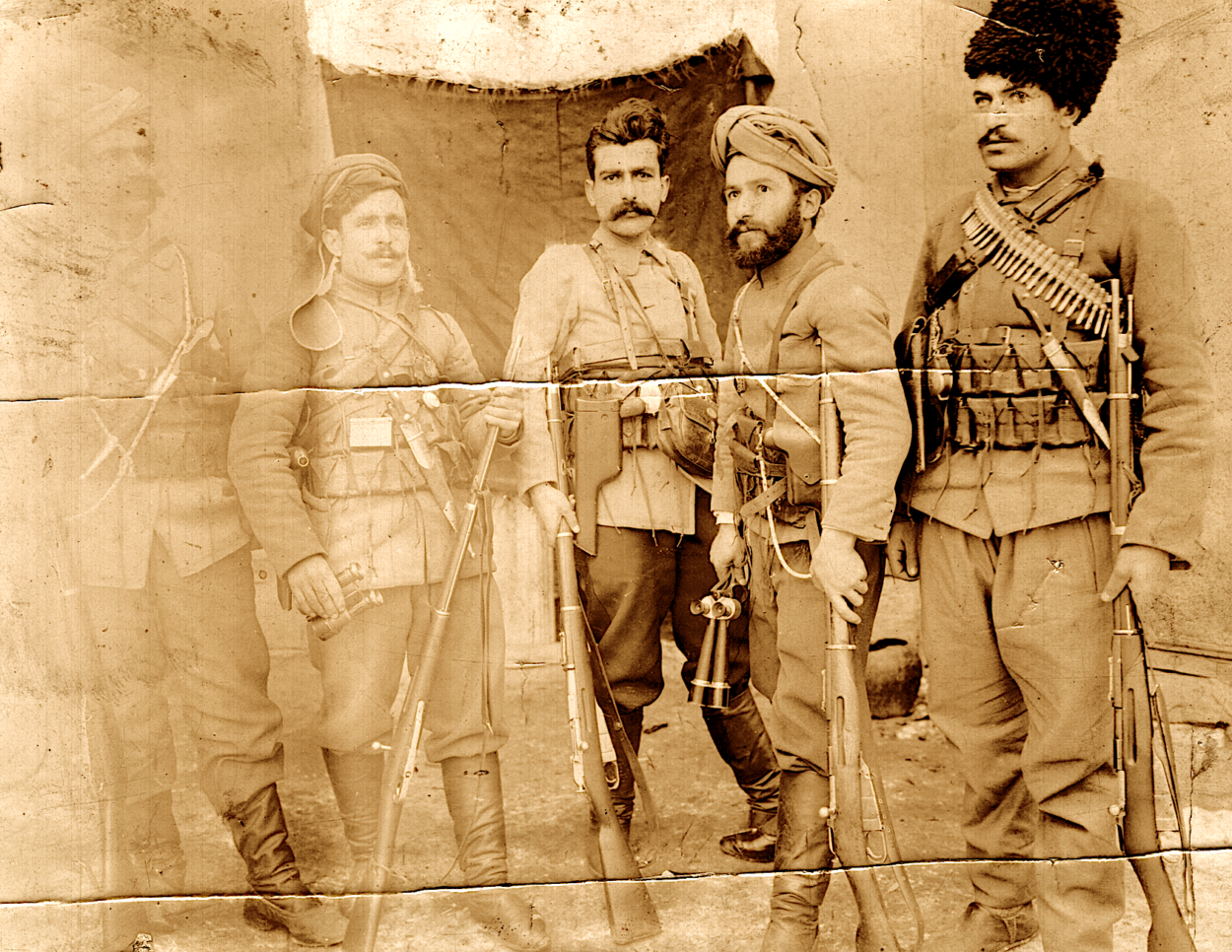
The story of what got Aram (née Sargis Hovhannisian) into that predicament, what got him out of it, and what turned him into the founder of Armenian statehood after an interregnum of more than five centuries is a combination of luck, resilience, mistakes, experience, and unwavering will that shaped him into a leader who ruled the borderlands between two empires and established a home for his nation.
Chroniclers have projected the Aram they knew backwards, fashioning an image of a born leader, yet what makes Aram’s journey from “inexperienced revolutionary” to statesman remarkable is the process through which he became a leader.
Early Life
The youngest of five children, Sargis Hovhannisian, often referred to as Sergei, was born March 19, 1879 in Shushi. Sergei was a student in his hometown when the Armenian Revolutionary Federation was established in Tiflis (Tbilisi), and he joined the ranks of the party within a few years. He was expelled from his Armenian school for revolutionary activity in 1901, completed his secondary education in Yerevan at the age of 24, and then moved to Baku, where he served the party apparatus. He helped fight Tsarist Russia’s anti-Armenian policies and organized labor protests and gatherings for the workers in the city’s burgeoning oil industry.
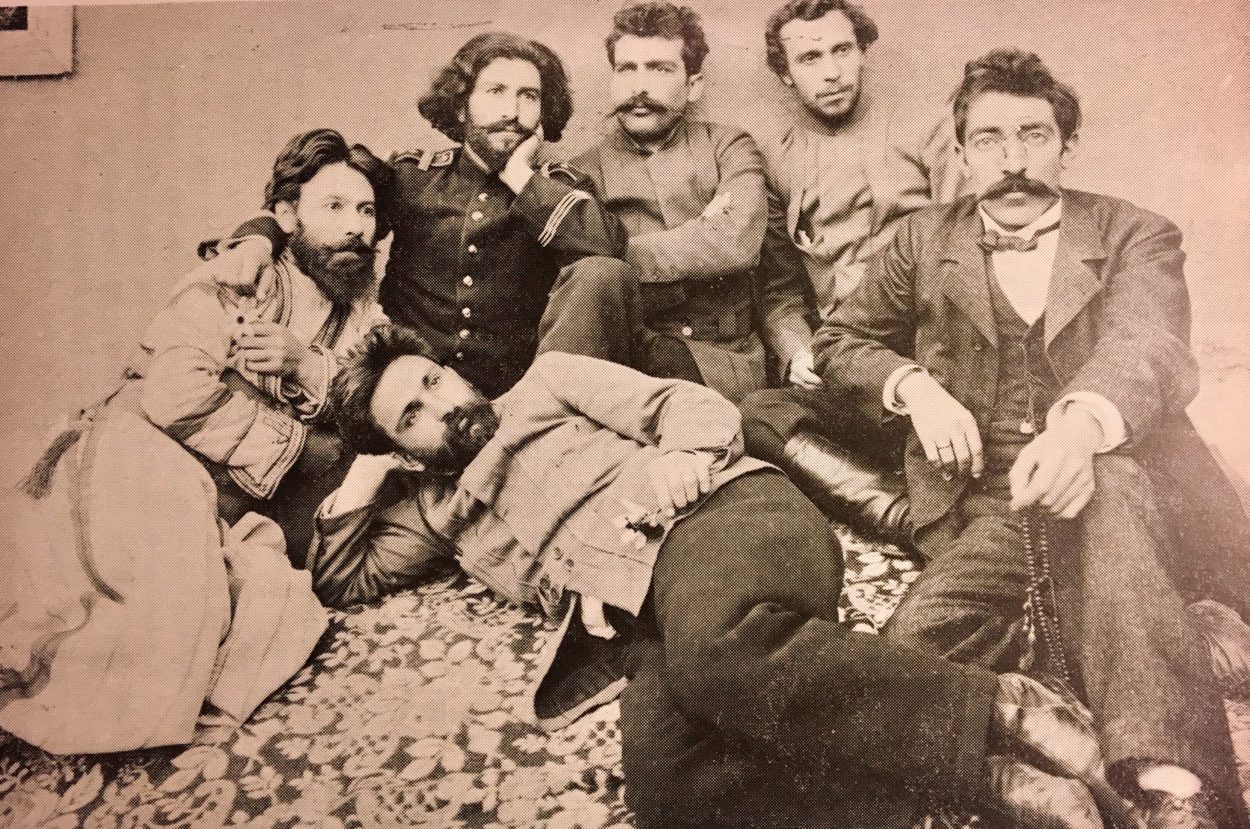
Sergei’s brief tenure in Baku helped hone his organizational and oratorical skills, preparing him for the “revolutionary crucible” of Kars, but it was also formative ideologically. Writing about the discussions during the Fourth ARF World Congress in Vienna (1907), ARF leader Simon Vratsian summed up Aram’s ideological allegiances: “He was a staunch Socialist with us, the ‘lefties.’… But he would be willing to abandon socialism, and us, if necessary. He was an Armenian in the mold of [members of the ARF’s founding generation] Rostom [Stepan Zorian] and Dr. [Hakob] Zavrian [Zavriev]. Socialist? Yes. But first and foremost an Armenian.”
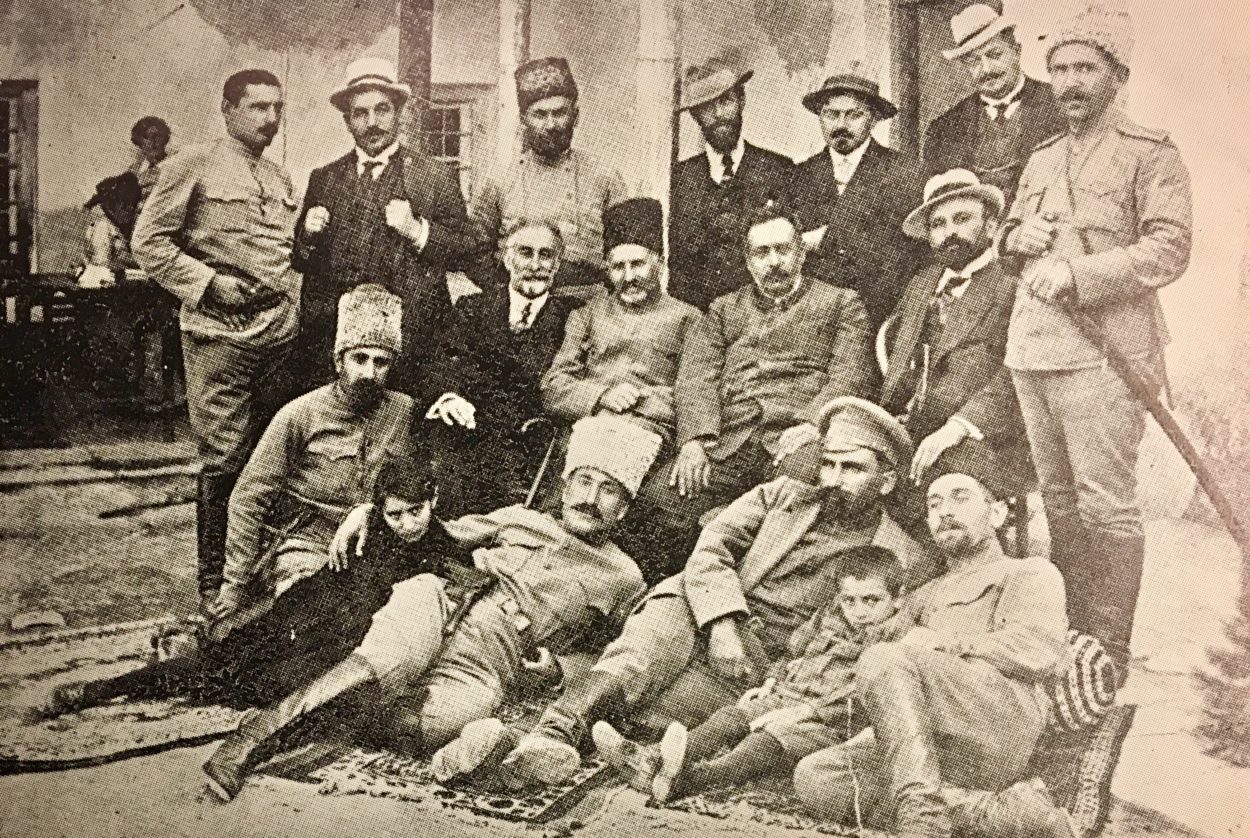
The Armenian Revolutionary Federation (ARF, or Dashnaktsutiun) in Kars was not your average operation, and Aram dove in head first (in the fall of 1903) after a short stop in Gandzak. “The revolutionary crucible of the Kars Province was a place where the Dashnak novices came out either forged and molded or, unable to withstand its extreme ideological and Spartan lifestyle, they renounced the revolutionary path,” wrote chronicler Ruben Ter Minasian. Here, Sergei distinguished himself as an effective communicator and propagandist and served in the network that organized the passage of armed revolutionary groups to the Ottoman Empire. Eager to support the Armenians waging an asymmetric battle against the Ottoman military in Sassoun, the ARF in the Russian Empire sent group after group of Armenian revolutionaries, but most were killed crossing the border, long before reaching Sassoun. Sergei itched to cross the border and join the Armenians there. “Sassoun’s untimely eruption, the failed attempts of countless arms-smuggling groups and their annihilation on the border, and the martyrdom of my close friends had rendered me hopeless. I was tormented by the thought that everyone went and got massacred, and I, as if through my cunning, stayed behind,” he wrote later. By the time Sergei managed to cross the border, Sassoun had fallen to Ottoman armies. He had to settle for Van.
From the Furnace into the Inferno
An incident in Sergei’s journey to Van, prior to crossing the Iranian border, stands out as a testament to what he himself referred to as “revolutionary inexperience.” Staying in the house of an Armenian family in a village while he awaited a Turkish guide to help him and his comrades cross the Araxes River to Iran, Sergei decided to disassemble the dynamite capsules he was carrying with him to render them safer for travel on horseback. He laid out the explosives on the table and started emptying the capsules, engaging the host family, a couple and their child, in the process. Suddenly, a capsule in Sergei’s hands caught fire, and the flame engulfed everything on the table. “I automatically threw myself under the table. The schoolteacher and his wife, less experienced, remained standing and were exposed to the blow of the horrible explosion. The schoolteacher lost a few fingers and his face was burned. The poor wife, and especially the child, received greater injuries,” he confessed.
“I sort of knew just a little bit about explosives, more in the theoretical sense than in the practical, as I had only once or twice been present at tests, conducted by others at that,” he acknowledged. The incident, recounted by Sergei himself in a forthright manner, points to the reality that he was still a work in progress as he left the revolutionary crucible of Kars and journeyed to Van. He was yet to become a “born leader.”
The harsh winter conditions impeded Sergei’s journey, imposing on him a four-month stint (October 1904-January 1905) at the St. Thaddeus Monastery in Northern Iran near the Ottoman border. He wrote to Koms (Vahram Papazian), the leader of the ARF in Van, from the monastery, explaining his circumstances: “I am forced to stay here until spring; the roads are buried in snow.” This, the oldest surviving letter we have from Sergei, is signed “Aram.” This is also the earliest instance the nom de guerre appears (henceforth, I shall refer to him as Aram). He went on to report, “In the spring, I am hoping that at the earliest opportunity we can send large amounts of dough and apples.” It is not that Aram was into the production of apple pie. In Dashnak-speak, dough was understood to be gunpowder, and apples were bombs.
Curiously, Aram touted his expertise in “dough and apples operations” in this letter, written only a few weeks after the explosion that maimed three people. It is possible that he was simply playing up his knowledge of explosives. Yet a more plausible explanation is that his “revolutionary inexperience” right before crossing the border to the inferno of Yerkir alarmed him, and he decided to use his stay at St. Thaddeus Monastery to educate himself on explosives (one of his three companions was an expert) and peruse the encyclopedias and books at the monastery to deepen his knowledge on everything he deemed relevant to his mission. The letters Aram sent to Van from the monastery support this hypothesis. In one, he writes to Koms at length about the advantages of breeding carrier pigeons, and how he himself has started doing so after reading about them in an encyclopedia. “There is dedicated literature on the subject. If you want, I can send you at least what’s in the encyclopedic dictionary, which can serve as a reliable guide,” he wrote. It is unclear what happened to Aram’s proposal, but two months later, in early February, Aram finally arrived in Van after a tumultuous journey, and Koms welcomed him warmly: “The first time I met him, I already felt that the newcomer was a serious, mature, and capable asset of a person,” Koms wrote in his memoir, extolling Aram’s experience in Baku, Kars, and the borderlands between Russia and Iran.
That region in the aughts of the 20th century was bustling with revolutionary activity, and Aram quickly asserted himself, despite initial resistance from the local party members, who typically viewed the revolutionaries arriving from the Caucasus with suspicion. Within months, Aram became a pillar of the ARF’s Van operation, extending the organization’s reach and forging alliances. Contemporaries praise Aram’s efforts to find common ground and cooperate with other Armenian groups, like the Hnchakians and, in particular, the Armenakans, as well as “neutral” Armenian circles. “Aram was adept at making a good impression, generating affinity, and gradually bringing others into the fold,” observed Koms.
Circumstances on the ground contributed to Aram’s ascent: Koms left Van soon after Aram’s arrival, leaving a void that Aram readily filled. However, Aram was first and foremost engaged in the process of procuring weapons from Russia and arranging their transport to Van, in fulfillment of the ARF’s plan to arm the Armenian peasantry in the region and prepare them for self-defense against local aggression and extirpation. This was his main role in the region until he left for the Fourth ARF World Congress, held in Vienna in early 1907.
Betrayal
Aram’s letters were full of instructions about effective and safe modes of transportation of bomb-making materials. In a letter dated March 11, 1905 addressed to Malkhas (Artashes Hovsepian), he explained his tactics to discourage betrayal and ensure the safer transport of goods. For example, sellers and transporters were not paid for the service rendered until the next time they rendered service. Always owed pay, sometimes significant amounts, these local Kurds and Turks had a vested interest in keeping their mouths shut, lest they lose their money if the authorities arrested their contacts.
But the greatest betrayal, one of the costliest in Armenian revolutionary history, was not committed by Kurds or Turks, but by an Armenian revolutionary. Davo was in a relationship with Satenig, the sister of Ales, a fellow revolutionary. When Satenig became pregnant, Ales threatened to kill Davo unless the ARF resolved the issue. Davo refused to marry Satenig and accused Aram of impregnating her. The party made it clear that Davo must either marry Satenig or suffer the consequences of his act. The confrontation led Davo to engage in the unthinkable: He went to the Ottoman authorities and exposed the locations of numerous ARF weapons caches, in return for protection.
The betrayal brought the powder keg of Van to the brink of explosion. A flurry of actions followed: The ARF moved weapons caches to new locations; the Ottoman authorities cracked down on the revolutionaries in the region and placed Van under siege; Dajad Terlemezian, an ARF member in his late teens, assassinated Davo following party orders; 19 revolutionaries, including Aram and Dajad, went into hiding in a well. This brings us to March 6, 1908.
From Freedom to Independence
Had it not been for the Young Turk coup (known as the Young Turk Revolution) of July 1908, Aram would have likely been hanged and remembered today primarily as a revolutionary who smuggled hundreds of kilograms of explosives and thousands of weapons from the Russian Empire into the Ottoman Empire to defend the Armenian peasantry against Turkish and Kurdish oppression. But the coup ushered in a brief period of freedom, and the ARF leaders, allies of the Young Turks in the revolution, were released from prison.
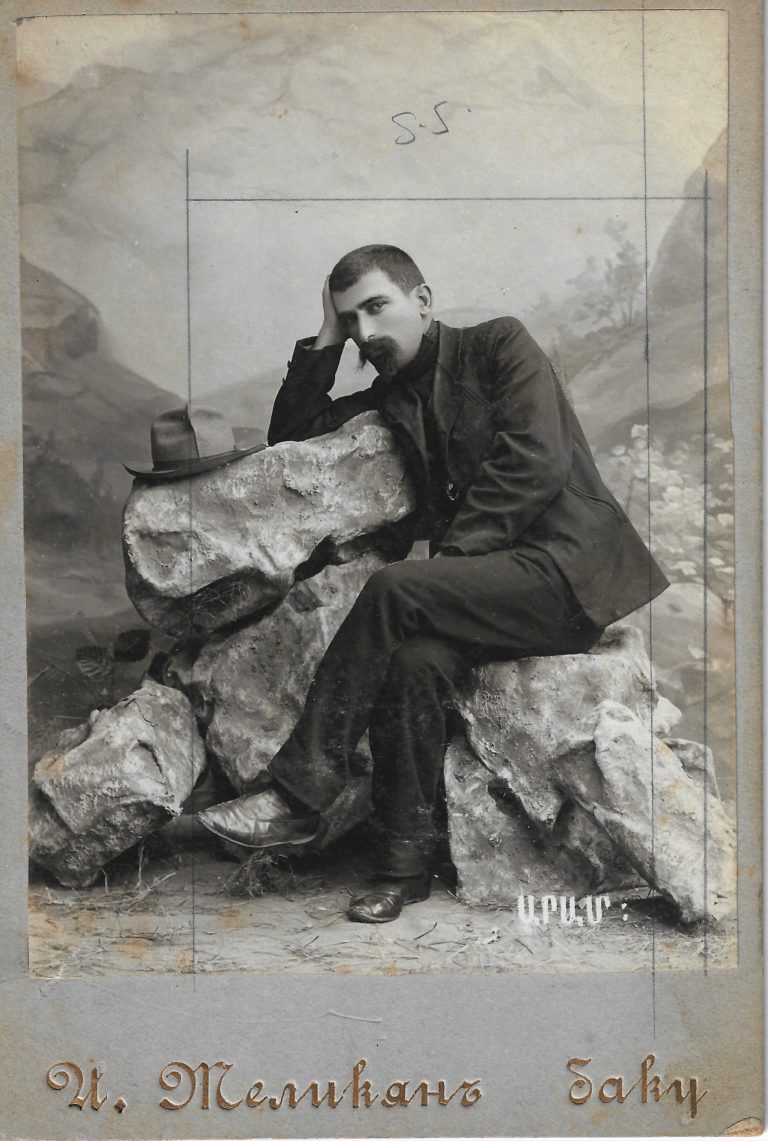
Thirty-year-old Aram was a free man—and, finally, a “born leader.” During the next decade, he would successfully lead the defense of Van against the Ottoman military, save tens of thousands of Armenians from imminent murder, become the temporary governor of Van after the withdrawal of the Turkish forces, and then emerge as the founder of the First Armenian Republic as Tsarist Russia faltered. He died of typhus in Yerevan on January 29, 1919. His funeral in Yerevan was one of the most widely attended the Armenian nation had ever witnessed. In his eulogy, ARF leader and statesman Nikol Aghbalian told the nation: “When the night falls, withdraw into the back chambers of your souls, speak to your conscience, and ask: Have you worked for the Armenian people as Aram has? Have you been as self-sacrificing? Have you dedicated your entire life to the Armenian people as Aram has?”
Khatchig Mouradian
***
Note: This article is an excerpt from a much longer manuscript titled “Becoming Aram: The Life and Legacy of a Revolutionary Statesman,” currently under review for publication. This project was partially funded by a travel and research grant from the Knights of Vartan Fund for Armenian Studies (FAS), administered by the National Association for Armenian Studies and Research (NAASR). Aram’s letters referenced in this article are housed in the ARF Archives in Boston.